
Urodynamics Treatment Follow Up Of Neurogenic Bladder in Bhopal
Our Services
- Blood in Urine / Hematuria
- Endoscopic Prostate Surgery
- Female Urinary Incontinence & Prolapse Surgery
- Kidney Stone Management
- Kidney Transplant & AV Fistula
- Laparoscopic Urology Surgery
- Laser Surgery for Prostate & Kidney Stones
- Prostate Cancer
- Prostate Cancer Uro-Oncology
- Robotic Laparoscopic Urologic Surgery
- Surgeries For Kidney Cancer
- Urethroplasty & Hypospadias Repair
- Urinary Bladder Cancer
- Urinary Tract Infection in Females
- Urodynamics Treatment Follow Up Of Neurogenic Bladder
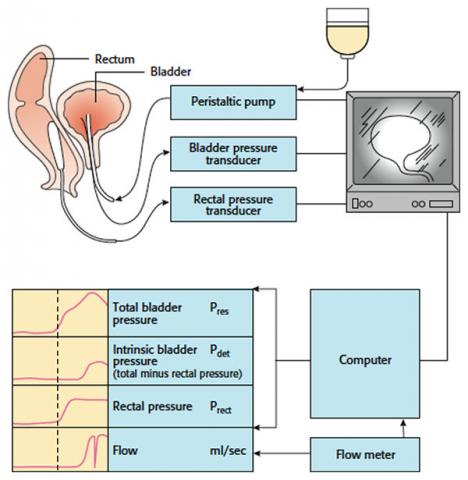
Urodynamics & Neurogenic Bladder Treatment in Bhopal – Precise Bladder Function Testing
Advanced urodynamic testing is the cornerstone of diagnosing complex bladder dysfunction — including neurogenic bladder, overactive bladder, urinary incontinence, and voiding disorders. Dr. Amit Kumar Jha at Bansal Hospital, Bhopal, offers comprehensive advanced bladder function testing and neurogenic bladder treatment, providing accurate diagnosis that guides highly personalized therapeutic interventions.
What Is Urodynamics?
Urodynamic testing measures how well the bladder, sphincters, and urethra are working together during the storage and emptying of urine. Advanced urodynamic testing identifies the underlying physiological causes of bladder problems — information that cannot be obtained from symptoms, imaging, or simple urine tests alone.
Tests included in a urodynamic evaluation:
- Uroflowmetry — measures urine flow rate and voiding pattern
- Post-void residual measurement — determines incomplete emptying
- Cystometry (CMG) — measures bladder pressure during filling
- Pressure-flow study — assesses bladder outlet obstruction vs. detrusor underactivity
- Urethral pressure profile — evaluates sphincter function
- Video urodynamics — combines fluoroscopic imaging with pressure measurements
What Is Neurogenic Bladder?
Neurogenic bladder is bladder dysfunction caused by damage to the nervous system — including the brain, spinal cord, or peripheral nerves that control bladder function. Common causes include:
- Spinal cord injury or spina bifida
- Stroke or multiple sclerosis
- Parkinson’s disease and other neurodegenerative conditions
- Diabetes mellitus (diabetic cystopathy)
- Pelvic surgeries damaging bladder nerves
Neurogenic bladder can cause urinary retention, incontinence, recurrent UTIs, and — critically — upper urinary tract damage leading to kidney failure if not properly managed.
Neurogenic Bladder Treatment Options in Bhopal
Anticholinergic and Beta-3 Agonist Medications
Anticholinergic medication for bladder (e.g., oxybutynin, tolterodine) reduces bladder overactivity and involuntary contractions. Beta-3 agonists like mirabegron are newer, better-tolerated alternatives for overactive neurogenic bladder.
Clean Intermittent Catheterization (CIC)
For patients with urinary retention, CIC is the gold standard management strategy — preventing bladder overdistension, recurrent infections, and upper tract damage. Dr. Jha trains patients and caregivers in proper CIC technique.
Bladder Augmentation Surgery
Bladder augmentation surgery (augmentation cystoplasty) increases bladder capacity using a bowel segment for patients with severely reduced capacity or dangerous high-pressure neurogenic bladder. This prevents kidney damage and improves continence.
Botulinum Toxin Injection for Neurogenic Bladder
Intradetrusor Botulinum toxin (Botox) injection is a highly effective, minimally invasive treatment for overactive neurogenic bladder. Performed as a cystoscopic outpatient procedure, it relaxes the bladder wall, reducing incontinence and urgency for 6–12 months.
Accurate Bladder Diagnosis – Why It Matters
Accurate bladder diagnosis through urodynamics prevents misdiagnosis and inappropriate treatment. Many patients labeled as having ‘overactive bladder’ actually have outlet obstruction or underactive detrusor — conditions that respond to entirely different treatments. Dr. Jha’s use of advanced bladder function testing ensures every patient receives precise, individualized care. dramitjha.com
Frequently Asked Questions
What is a urodynamic test and when is it needed?
Urodynamic testing measures bladder pressure, flow rate, and sphincter function during urine storage and voiding. It is needed for complex incontinence, unexplained urinary retention, neurogenic bladder, and voiding dysfunction not explained by simpler tests.
What is neurogenic bladder?
Neurogenic bladder is bladder dysfunction caused by nervous system damage — from conditions like spinal cord injury, stroke, MS, Parkinson’s disease, or diabetes. It can cause retention, incontinence, or both, and requires specialized urological management.
Can neurogenic bladder be treated without surgery?
Yes. Many neurogenic bladder patients are successfully managed with medications (anticholinergics, beta-3 agonists), intermittent catheterization, and Botox injection. Surgery is reserved for cases not responding to conservative treatment.
What is Botox injection for the bladder?
Botulinum toxin injection into the bladder wall reduces involuntary bladder contractions in overactive neurogenic bladder. It is performed cystoscopically as an outpatient procedure and provides relief for 6–12 months, with repeatable dosing.
Who performs urodynamics and neurogenic bladder treatment in Bhopal?
Dr. Amit Kumar Jha at Bansal Hospital, Bhopal, performs comprehensive urodynamic evaluation and neurogenic bladder management, including Botox injection, CIC training, and bladder augmentation surgery.